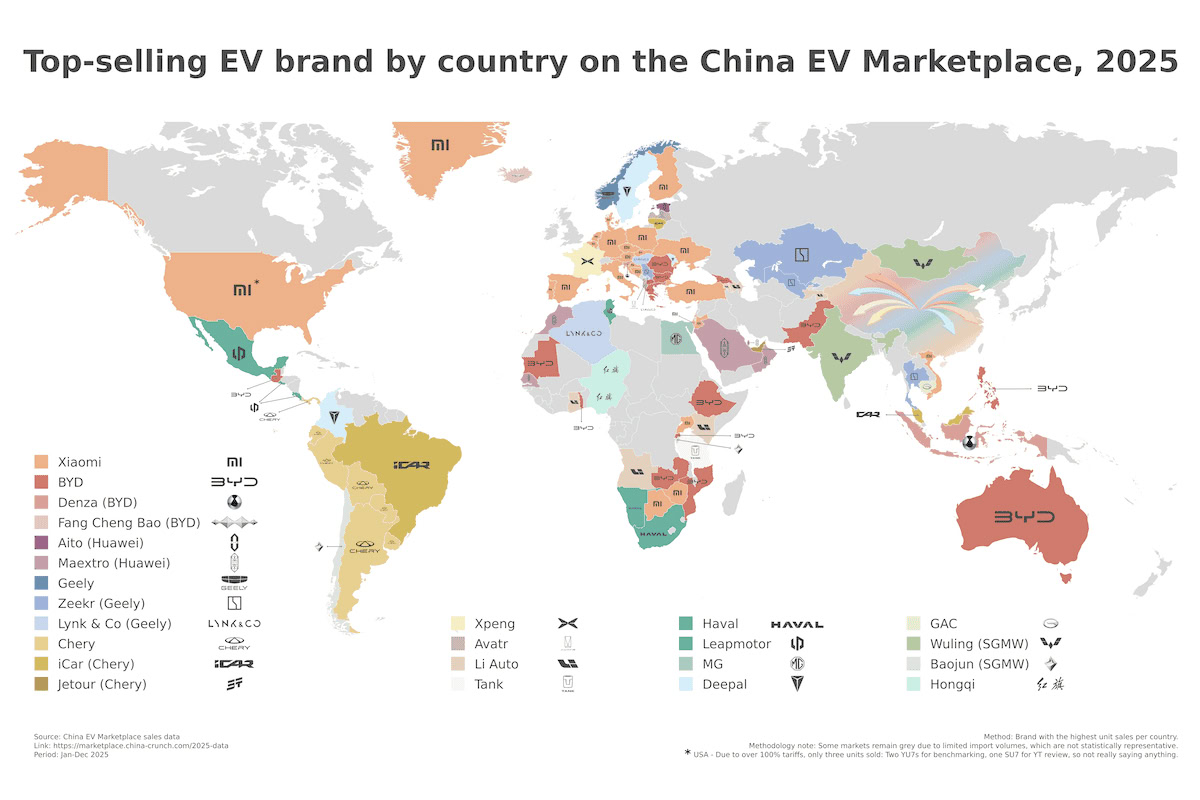
Prime Minister Mark Carney's plan allows for the import of up to 49,000 Chinese electric vehicles (EVs) into Canada at a reduced tariff rate of 6.1%, down from 100%. This agreement allegedly is aimed at making EVs cheaper to buy and maybe foster China to manufacture some cars locally.
Reducing tariffs on Chinese-made EVs might sound like smart “affordability policy” on the surface. Cheaper cars are attractive, and for Canadians struggling with rising costs, lower sticker prices would feel like relief. On that narrow measure, the plan scores well. It would likely push EV prices down, increase competition, and give buyers more choices. If your only goal is “make vehicles cheaper,” this gets a passing grade.
But government priorities are multi-dimensional. The Liberals in fact have listed many priorities:
- Housing.
- Unifying Canada’s economy by removing trade barriers and fast-tracking national projects.
- Job Creation
- National Security and Infrastructure
- Trade Infrastructure to diversify trade away from the U.S.
- Environmental Protection
- Indigenous Reconciliation
- Aim for clarity and accountability in addressing the needs of Canadians.
When you stack this plan against the bigger claims—job creation, protecting workers, economic unity, and national security—the alignment falls apart fast.
- Canada’s auto sector isn’t just another industry. It’s a backbone of skilled, high-paying jobs and a key part of our manufacturing identity, especially in Ontario. A tariff cut that makes imported Chinese EVs more attractive risks undercutting Canadian production and discouraging investment here at home. In other words: you might save money at the dealership, but lose jobs in the economy.
- Then there’s the national security issue. EVs aren’t “just cars” anymore—they’re computers on wheels. Reducing tariffs means increasing reliance on a strategic competitor for tech-heavy products tied to supply chains, data, and leverage. That doesn’t exactly match the language of “defence investments” and “protecting Canada’s interests.”
- More EVs could mean lower tailpipe emissions. That’s the plan’s strongest argument outside affordability. But even that doesn’t erase the trade-offs.
So the honest rating is this: cutting tariffs on Chinese EVs is an affordability win, but it’s a weak fit with a jobs-first, security-minded, Canadian-worker-protection agenda. It feels less like a national strategy—and more like a short-term bargain.
It also meshes well with Carney’s previous and I suspect ongoing personal priorities. Climate policy that destroys jobs isn’t climate policy. It’s national self-sabotage dressed up in green language.