The phrase “Women are from Venus, Men are from Mars” comes from the popular 1992 book by John Gray. It is a metaphor that suggests men and women often think, communicate, and respond to situations differently, almost as if they came from different planets.
The idea is not that men and women are literally different species, but that they may have different approaches to emotions, relationships, and problem-solving. For example, men are often portrayed as wanting to solve problems independently, while women are often portrayed as wanting to discuss feelings and seek understanding through conversation. These differences can sometimes lead to misunderstandings, frustration, or conflict.
The phrase became popular because many people recognized some truth in the communication challenges it describes. It offers a simple way to explain why two people may interpret the same situation differently. In relationships, understanding these differences can encourage patience, empathy, and better communication.
Today, the phrase is often used humorously or casually to describe misunderstandings between men and women. However, modern research suggests that individual personalities, upbringing, culture, and life experiences play a major role in behaviour. While some gender-based differences may exist, people are often more alike than the phrase implies.
Ultimately, the expression reminds us that understanding and respecting different perspectives is important in any relationship.
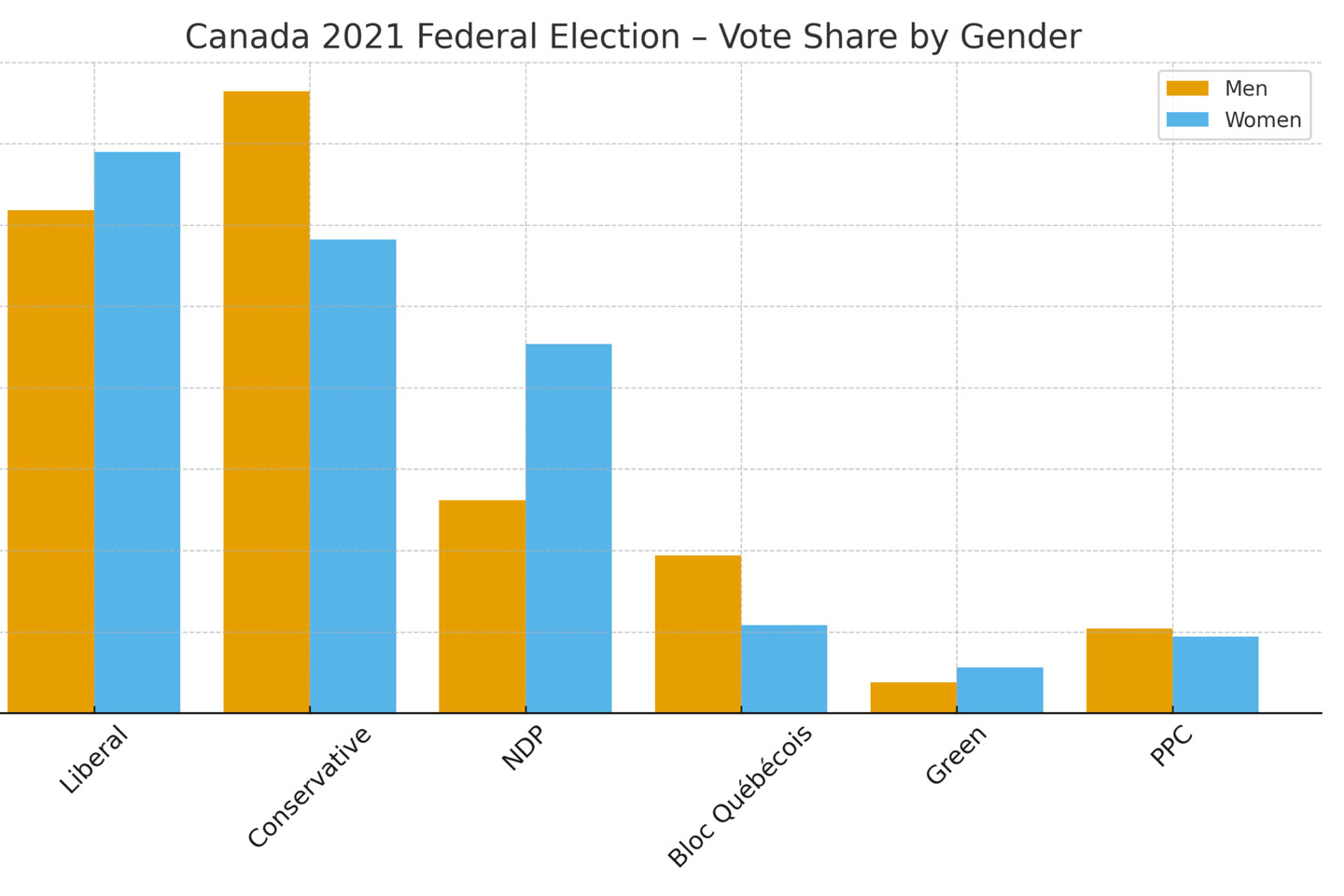
In the 2021 Canadian federal election, it seems men and women still have different voting patterns. Men’s support was mostly for right-of-centre choices, with a slight but noticeable increase for the People’s Party. Women, on the other hand, gave the centre-left parties a significant advantage, particularly the NDP’s focus on affordability and social programs.
It’s interesting to see how turnout patterns play a role. Elections Canada says that women are either about to or already outpacing men in voting, which shows that their support for progressive parties really matters in elections. This is why parties often focus on childcare, health care and cost-of-living issues from a gender perspective.
When we look at Canada and the United States, the pattern seems to match up. Back in the 2020 U.S. presidential election, women really leaned towards Joe Biden, while men were more evenly divided between Biden and Donald Trump. American women have been a consistent Democratic vote for years, and they tend to turn out to the polls more often than men. In both countries, the “gender gap” isn’t just something we see in polls—it’s a real part of how elections are run today.